


Understanding GLP-Medication
What are GLP Medications?
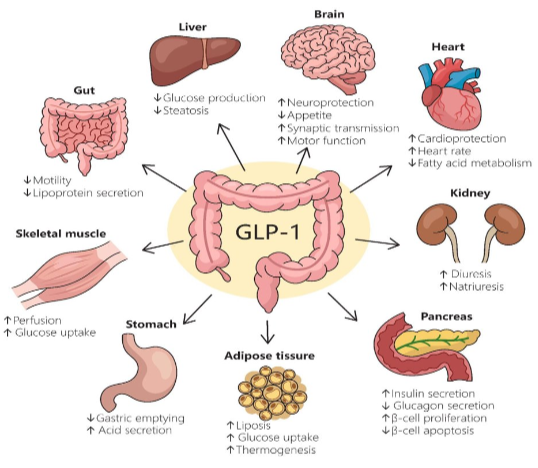
GLP (Glucagon-Like Peptide) medications mimic a natural hormone in the body that regulates insulin, reduces blood sugar levels after meals, and decreases appetite. Initially developed to treat diabetes, these medications are now also used to support weight loss. Some common GLP-1’s are Ozempic (Semaglutide), Mounjaro (Tirzepatide) & Retatrutide
How They Work for Weight Loss
GLP medications slow digestion, help you feel full for longer, and send signals to the brain that control hunger, making it easier to eat smaller portions and manage weight effectively.
Benefits of GLP Medications
Reduced Appetite
Because GLP-1 medications suppress appetite, some individuals may experience ongoing reduced calorie intake
Weight Loss Results
Many patients experience weight reduction when combining GLP-1 medications with lifestyle changes, potentially losing 5–15% of their body weight over time. Results may vary, and a steady, gradual weight loss is typical.
Health Improvements Beyond Weight Loss
GLP medications may lead to additional benefits such as better blood sugar control, lower blood pressure, inflammation benefits and improved cardiovascular health. For those at risk of diabetes, weight loss may also reduce that risk.
Side Effects
- Nausea: This is the most common side effect, especially when starting the medication.
- Vomiting and diarrhea
- Constipation
- Loss of appetite: While this can help with weight loss, it may cause people to not get enough nutrients if it isn’t managed.
*This list does not include all possible side effects
Less common but more serious risks include, but are not limited to:
- Pancreatitis: Inflammation of the pancreas, which can cause severe abdominal pain, is a rare but serious risk.
- Gallbladder problems: Some users may experience gallstones or gallbladder issues.
- Thyroid cancer risk: Some animal studies have suggested a potential risk of thyroid tumors, though this hasn’t been confirmed in humans. Avoid in history of medullary thyroid cancer or MEN2
- Allergic reactions: In rare cases, serious allergic reactions may occur.
*This is not an all-inclusive list