


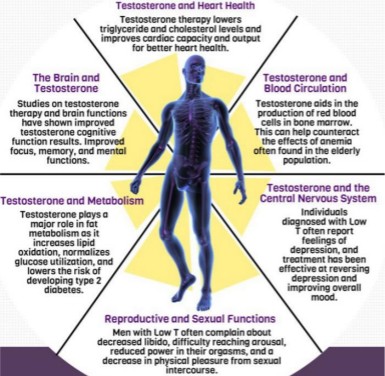
Over the past decade, testosterone replacement therapy (TRT) has become one of the fastest-growing areas in men’s health. Many men seek treatment for symptoms such as fatigue, low libido, reduced muscle mass, weight gain, brain fog, and declining motivation. While testosterone therapy can be highly beneficial for appropriate candidates, the conversation is often more complex than simply identifying a low laboratory value.
Testosterone deficiency should be evaluated within the context of the whole person. Hormone levels are only one piece of a much larger picture involving sleep, metabolic health, inflammation, nutrition, stress, and lifestyle factors.
What Does Testosterone Do?
Testosterone is the primary male sex hormone and plays an important role in:
- Muscle growth and maintenance
- Bone density
- Sexual function and libido
- Mood and motivation
- Cognitive performance
- Energy production
- Red blood cell formation
- Metabolic health
Testosterone naturally declines with age, typically at a rate of approximately 1–2% per year after early adulthood. However, symptoms commonly attributed to aging are not always caused by testosterone deficiency alone.
Recognizing Symptoms of Low Testosterone
Men with testosterone deficiency may experience:
- Low libido
- Erectile dysfunction
- Fatigue
- Decreased muscle mass
- Increased body fat
- Reduced exercise performance
- Brain fog
- Poor concentration
- Depressed mood
- Loss of motivation
Why Testosterone Levels Alone Don’t Tell the Whole Story
Many men are surprised to learn that two individuals with identical testosterone levels may feel completely different.
A comprehensive evaluation often includes:
- Total testosterone: This measures the overall amount of testosterone in the bloodstream (both bound and unbound). It gives a general snapshot, but it does not show how much is actually available for use by the body.
- Free testosterone: This is the biologically active portion of testosterone that is available to tissues such as the brain, muscles, and libido pathways. Patients can have a “normal” total testosterone but still have low free testosterone and symptoms.
- Sex hormone-binding globulin (SHBG): SHBG is a protein that binds testosterone and makes it inactive.
- High SHBG → less free (active) testosterone
- Low SHBG → may indicate insulin resistance or metabolic dysfunction
Understanding SHBG helps explain why symptoms may not match total testosterone levels. - Estradiol: Estradiol is the primary form of estrogen in men and is made from testosterone conversion. It is essential for:
- Brain function
- Libido
- Bone health
- Cardiovascular health
- However, too much or too little estradiol can both contribute to symptoms such as fatigue, mood changes, water retention, or sexual dysfunction.
- Luteinizing hormone (LH): LH is the signal from the brain (pituitary gland) that tells the testes to produce testosterone.
- High LH + low testosterone → testes are not responding well
- Low LH + low testosterone → brain is not signaling properly (central suppression)
- Follicle-stimulating hormone (FSH): FSH supports sperm production and overall testicular function. It helps assess reproductive axis health and long-term testicular function.
- Thyroid function: Thyroid hormones strongly influence energy, metabolism, and testosterone production. Low thyroid function can suppress testosterone levels and mimic symptoms of testosterone deficiency such as fatigue, weight gain, and low motivation.
- Insulin resistance markers: Insulin resistance is one of the most common hidden drivers of low testosterone. It can:
- Lower SHBG balance
- Increase conversion of testosterone to estrogen
- Suppress testosterone production in the testes
Markers help identify early metabolic dysfunction even before diabetes develops. - Inflammatory markers: Chronic inflammation can suppress testosterone production and interfere with hormone signaling. It is also associated with:
- Fatigue
- Poor recovery
- Brain fog
- Cardiovascular risk
- Inflammation is often a root cause rather than just a symptom.
Research continues to show that symptoms frequently overlap with other common conditions, including obesity, insulin resistance, sleep apnea, depression, chronic stress, and poor sleep quality.
Common Root Causes of Low Testosterone
Obesity and Metabolic Dysfunction
Excess body fat can contribute to lower testosterone levels through several mechanisms, including increased conversion of testosterone into estrogen and worsening insulin resistance.
A 2021 systematic review evaluating testosterone replacement in men with obesity found that low testosterone is commonly associated with obesity and metabolic dysfunction. Researchers also noted that improving body composition and metabolic health remains an important component of treatment regardless of whether testosterone therapy is used.
Poor Sleep and Sleep Apnea
Sleep is one of the most overlooked factors affecting hormone health.
Testosterone production occurs largely during sleep, particularly during REM sleep cycles. Men with obstructive sleep apnea often experience lower testosterone levels, fatigue, reduced libido, and impaired recovery.
Multiple reviews have demonstrated a significant relationship between sleep apnea and hypogonadism. In some cases, addressing sleep quality and untreated sleep apnea may improve testosterone levels and symptoms without immediately requiring hormone replacement therapy.
Chronic Stress
Elevated cortisol levels from chronic stress may suppress testosterone production over time.
High stress levels can also contribute to poor sleep, weight gain, insulin resistance, and inflammation—all of which further impact hormone balance.
Nutritional Deficiencies
Optimal hormone production requires adequate levels of nutrients such as:
- Vitamin D: Vitamin D functions more like a hormone than a vitamin and plays a direct role in testosterone regulation.
- It supports testosterone by:
- Helping regulate testicular Leydig cell function (where testosterone is produced)
- Supporting LH signaling from the brain
- Reducing inflammation that can suppress hormone production
- Low vitamin D levels are consistently associated with lower testosterone in multiple studies, and correcting deficiency may help improve testosterone levels in deficient individuals.
Zinc: Zinc is one of the most important minerals for male hormone production.
-
- It supports testosterone by:
- Acting as a cofactor in testosterone synthesis
- Preventing testosterone conversion into estrogen (aromatase inhibition effect)
- Supporting sperm production and testicular health
- Zinc deficiency is strongly associated with low testosterone, and even short-term deficiency can significantly reduce levels.
- Magnesium: Magnesium supports testosterone indirectly through energy metabolism, sleep, and hormone binding balance. It helps by:
- Supporting enzyme systems involved in testosterone production
- Improving sleep quality (critical for nighttime testosterone release)
- Reducing SHBG binding in some individuals, increasing free testosterone availability
- Lowering inflammation and cortisol (stress hormone that suppresses testosterone)
- Omega-3 fatty acids: Omega-3s (EPA and DHA) support testosterone primarily through anti-inflammatory and cell membrane effects. They help by:
- Reducing chronic inflammation that suppresses the hypothalamic-pituitary-gonadal axis
- Improving insulin sensitivity (which supports higher testosterone levels)
- Enhancing cell membrane fluidity, improving hormone receptor signaling
- Supporting cardiovascular health, which is closely tied to hormone balance
- While omega-3s are not a direct testosterone “booster,” they improve the metabolic environment needed for optimal production.
- Protein: Adequate protein intake is essential for maintaining lean muscle mass and hormonal balance.
- Protein supports testosterone by:
- Preserving lean muscle mass, which helps maintain metabolic health
- Supporting satiety and reducing visceral fat accumulation (fat lowers testosterone via aromatase activity)
- Providing amino acids needed for hormone synthesis and binding proteins
- Improving recovery and exercise adaptation, both of which support testosterone production
- Low protein intake can contribute to muscle loss, insulin resistance, and lower overall anabolic signaling.
The Hidden Health Risks of Low Testosterone
- Increased Risk of Cardiovascular Disease
Low testosterone has been associated with multiple cardiovascular risk factors, including:
- Increased visceral (abdominal) fat
- Insulin resistance
- Higher rates of metabolic syndrome
- Increased inflammation
- Endothelial dysfunction
- Elevated risk of atherosclerosis
Numerous observational studies have demonstrated that men with low testosterone have a higher incidence of coronary artery disease, heart failure, and cardiovascular mortality. While low testosterone may sometimes be a marker of poor overall health rather than the sole cause of cardiovascular disease, the association is consistently observed across studies. Recent guidelines recognize testosterone deficiency as being linked with increased cardiovascular risk and all-cause mortality.
Importantly, modern evidence has largely alleviated previous concerns regarding testosterone replacement therapy (TRT) increasing cardiovascular risk in appropriately selected patients. Large randomized controlled trials have demonstrated no increase in heart attack or stroke risk among men receiving testosterone therapy under medical supervision.
- Type 2 Diabetes and Metabolic Dysfunction
One of the strongest associations with low testosterone is impaired metabolic health.
Men with testosterone deficiency are more likely to develop:
- Prediabetes
- Type 2 diabetes
- Obesity
- Metabolic syndrome
Testosterone helps regulate insulin sensitivity, body composition, and glucose metabolism. As testosterone levels decline, men often experience increased abdominal fat accumulation and reduced lean muscle mass, both of which contribute to worsening insulin resistance.
Studies have shown that low testosterone predicts future development of type 2 diabetes and is commonly found in men with obesity and metabolic syndrome. The relationship is often bidirectional: metabolic disease can suppress testosterone production, while low testosterone can further worsen metabolic dysfunction.
- Loss of Muscle Mass and Physical Function
Testosterone is one of the body’s most important anabolic hormones.
When testosterone levels decline, men may experience:
- Reduced muscle mass
- Decreased strength
- Slower recovery from exercise
- Reduced physical performance
- Increased frailty with aging
Over time, this loss of muscle mass (sarcopenia) can contribute to reduced mobility, increased fall risk, and loss of independence later in life.
Research consistently demonstrates improvements in lean body mass and physical function when testosterone deficiency is appropriately treated.
- Osteoporosis and Fracture Risk
Many people think osteoporosis is primarily a women’s health issue, but testosterone plays a vital role in maintaining bone density in men.
Chronically low testosterone can lead to:
- Accelerated bone loss
- Osteopenia
- Osteoporosis
- Increased fracture risk
In fact, osteoporosis is one of the recognized complications of untreated male hypogonadism. Hip fractures in older men are associated with substantial morbidity and mortality, making preservation of bone health an important aspect of healthy aging.
Studies have shown that testosterone therapy can significantly improve bone mineral density in men with documented testosterone deficiency.
- Cognitive Decline and Brain Health
Testosterone receptors are found throughout the brain, including regions involved in memory, executive function, and mood regulation.
Research suggests low testosterone may be associated with:
- Brain fog
- Memory impairment
- Reduced concentration
- Slower cognitive processing
- Increased risk of cognitive decline
Emerging evidence indicates that lower testosterone levels may contribute to neurodegenerative processes and may be associated with increased risk of future cognitive impairment in aging men. While more research is ongoing, maintaining healthy hormone levels appears to be an important component of long-term brain health.
- Depression and Reduced Quality of Life
Testosterone influences neurotransmitters involved in mood, motivation, and emotional well-being.
Men with low testosterone frequently report:
- Fatigue
- Reduced motivation
- Irritability
- Depressed mood
- Reduced resilience to stress
- Decreased overall sense of well-being
Many men describe feeling “not like themselves” long before sexual symptoms become apparent.
Several studies have demonstrated improvements in depressive symptoms and quality-of-life measures among men treated for confirmed testosterone deficiency.
- Sexual Health and Relationship Impact
While low testosterone extends far beyond sexual function, sexual symptoms remain among the most common reasons men seek evaluation.
Symptoms may include:
- Reduced libido
- Erectile dysfunction
- Reduced sexual satisfaction
- Decreased spontaneous erections
These symptoms can affect confidence, intimacy, and relationship satisfaction, often creating emotional stress for both partners.
Understanding Potential Risks
Like any medical treatment, testosterone therapy requires ongoing monitoring.
Potential considerations include:
- Increased red blood cell production (elevated hematocrit)
- Acne or oily skin
- Fluid retention
- Changes in fertility
- Potential worsening of untreated sleep apnea
- Need for routine monitoring of hormone levels
Recent FDA Changes: Removal of the Cardiovascular Black Box Warning
One of the most significant developments in testosterone therapy occurred in 2025 when the U.S. Food and Drug Administration (FDA) announced the removal of the boxed warning that had previously cautioned about a potential increased risk of heart attack, stroke, and other major cardiovascular events associated with testosterone replacement therapy.
The original warning was added in 2015 after concerns emerged from observational studies suggesting testosterone therapy might increase cardiovascular risk. In response, the FDA required manufacturers to conduct a large cardiovascular outcomes trial to better evaluate the safety of testosterone treatment.
That study, known as the TRAVERSE Trial, followed middle-aged and older men with documented hypogonadism and elevated cardiovascular risk. Researchers found that testosterone therapy did not increase the risk of major adverse cardiovascular events compared to placebo.
Following review of the TRAVERSE data, the FDA concluded that evidence no longer supported the boxed warning regarding increased cardiovascular risk and recommended its removal from testosterone product labeling. This represented a major shift in the understanding of testosterone therapy safety and helped address years of uncertainty among both patients and healthcare providers.
Importantly, the FDA did not conclude that testosterone therapy is risk-free. Updated labeling now includes stronger warnings regarding potential increases in blood pressure, and testosterone replacement still requires careful patient selection, monitoring, and ongoing follow-up.
This change reinforces an important principle in medicine: treatment decisions should be guided by current evidence rather than outdated assumptions. For appropriately diagnosed men with testosterone deficiency, current data suggest that testosterone replacement therapy does not appear to increase cardiovascular risk when prescribed and monitored appropriately.
While ongoing research continues to evaluate long-term outcomes, the FDA’s decision reflects a growing body of evidence supporting the cardiovascular safety of testosterone therapy in properly selected patients.