


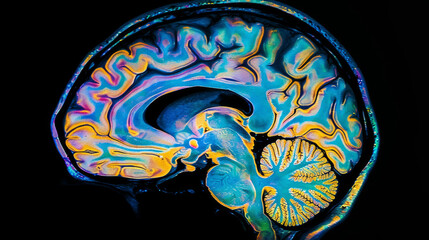
June is Alzheimer’s & Brain Awareness Month—a time dedicated to increasing awareness about Alzheimer’s disease, dementia, cognitive decline, and the steps we can take to support long-term brain health.
Many people assume dementia is an unavoidable part of aging. While age is the strongest risk factor, emerging research shows that a substantial percentage of dementia cases may be preventable or delayed through lifestyle, metabolic, and cardiovascular interventions.
Rather than focusing solely on disease treatment, we focus on identifying risk factors early and creating personalized strategies that support cognitive health throughout life.
Understanding Alzheimer’s Disease and Dementia
Dementia is not a specific disease but rather a broad term used to describe a decline in memory, thinking, reasoning, and daily functioning severe enough to interfere with everyday life.
Alzheimer’s disease is the most common form of dementia, accounting for approximately 60–80% of dementia cases. It is a progressive neurodegenerative condition that gradually affects memory, language, decision-making, and behavior.
Today, nearly 7 million Americans are living with Alzheimer’s disease, and that number is expected to continue rising as the population ages.
The Good News: Many Risk Factors Are Modifiable
One of the most important developments in dementia research comes from the 2024 Lancet Commission on Dementia Prevention, Intervention, and Care.
Researchers concluded that nearly 45% of dementia cases worldwide may be preventable or delayed by addressing modifiable risk factors throughout life.
This represents a major shift in how we think about cognitive decline. While genetics certainly play a role, lifestyle and environmental factors appear to have a significant impact on long-term brain health.
The 14 Modifiable Risk Factors for Dementia
The 2024 Lancet Commission identified 14 factors that may contribute to dementia risk:
Early Life
- Limited education
Midlife
- Hearing loss
- High LDL cholesterol
- Depression
- Traumatic brain injury
- Physical inactivity
- Diabetes
- Smoking
- High blood pressure
- Obesity
- Excessive alcohol use
Later Life
- Social isolation
- Air pollution exposure
- Untreated vision loss
Researchers estimate that addressing these factors could substantially reduce the global burden of dementia.
Areas to Evaluate
Alzheimer’s disease and dementia are rarely caused by a single factor. Instead, cognitive decline often develops from the cumulative effects of inflammation, vascular dysfunction, metabolic imbalance, nutrient deficiencies, oxidative stress, poor sleep, and lifestyle factors over many years.
Common areas we evaluate include:
Metabolic Health
Insulin resistance, prediabetes, and type 2 diabetes have all been associated with increased dementia risk.
Some researchers have even referred to Alzheimer’s disease as “type 3 diabetes” due to the strong relationship between impaired glucose metabolism and brain dysfunction. While this term is not an official diagnosis, it highlights the important connection between metabolic health and cognitive performance.
Cardiovascular Health
What’s good for the heart is often good for the brain.
High blood pressure, elevated cholesterol, vascular inflammation, and poor circulation can all affect blood flow to the brain and contribute to cognitive decline over time.
Sleep Quality
Sleep is one of the most important—and often overlooked—components of brain health.
During deep sleep, the brain activates a waste-clearance system known as the glymphatic system, which helps remove metabolic waste products, including proteins associated with Alzheimer’s disease.
Chronic sleep deprivation and untreated sleep apnea have both been linked to increased cognitive decline.
Chronic Inflammation
Long-term inflammation may contribute to neurodegeneration and accelerated brain aging.
Functional medicine frequently evaluates inflammatory markers and lifestyle contributors that may increase systemic inflammation.
Nutritional Status
Nutrients important for cognitive health include:
- Omega-3 fatty acids: Omega-3s are one of the most important structural components of the brain. They support brain health by:
- Building and maintaining brain cell membranes (especially DHA)
- Improving communication between brain cells (synaptic function)
- Supporting neurotransmitters involved in mood and cognition
- Reducing neuroinflammation linked to brain fog and cognitive decline
- Supporting blood flow to the brain
- Low omega-3 levels have been associated with increased risk of depression, cognitive decline, and impaired memory.
- Vitamin D: Vitamin D functions as a neurosteroid hormone in the brain.
- It supports brain health by:
- Regulating neuroinflammation and immune activity in the brain
- Supporting nerve growth factors involved in brain repair and plasticity
- Influencing serotonin production (mood regulation)
- Supporting detoxification and antioxidant pathways in neural tissue
- Low vitamin D levels are commonly associated with depression, cognitive decline, and reduced mental clarity.
- B vitamins (B6, B12, Folate): B vitamins are essential for brain energy metabolism and neurotransmitter production. They support brain health by:
- Producing neurotransmitters like serotonin, dopamine, and GABA
- Supporting myelin sheath integrity (protects nerve signaling)
- Reducing homocysteine, a compound linked to brain atrophy and cognitive decline
- Supporting mitochondrial energy production in brain cells
- Deficiencies in B12 and folate are strongly associated with memory issues, brain fog, and cognitive slowing.
- Magnesium: Magnesium is critical for brain signaling balance and stress regulation. It supports brain health by:
- Regulating NMDA receptors (important for learning and memory)
- Reducing excessive neuronal excitability (calming effect on the brain)
- Supporting sleep quality, which is essential for memory consolidation
- Lowering stress hormone (cortisol) activity that impairs cognition
- Supporting synaptic plasticity (learning ability)
- Low magnesium is commonly associated with anxiety, insomnia, and brain fog.
- Antioxidants: (Vitamin C, E, Selenium, Polyphenols)
- The brain is highly vulnerable to oxidative stress due to its high oxygen use.
- Antioxidants support brain health by:
- Protecting neurons from oxidative damage and aging
- Reducing inflammation linked to neurodegeneration
- Supporting mitochondrial function (brain energy production)
- Improving cerebral blood flow
- Slowing age-related cognitive decline
- Oxidative stress is considered a major contributor to conditions like Alzheimer’s and Parkinson’s disease.
Lifestyle Strategies That Support Brain Health
While there is no guaranteed way to prevent Alzheimer’s disease, research consistently supports several lifestyle habits that may help reduce risk.
Exercise Regularly
Physical activity improves blood flow to the brain, supports metabolic health, reduces inflammation, and promotes the growth of new neural connections.
Current guidelines recommend at least 150 minutes of moderate physical activity per week.
Strength Train
Maintaining muscle mass improves insulin sensitivity, metabolic health, balance, and overall resilience as we age.
Follow a Brain-Healthy Diet
Research continues to support dietary patterns rich in:
- Vegetables
- Fruits
- Lean proteins
- Healthy fats
- Fiber-rich foods
Mediterranean-style eating patterns have been associated with improved cognitive outcomes and reduced dementia risk.
Prioritize Sleep
Aim for consistent, restorative sleep and address symptoms of sleep apnea, snoring, or chronic fatigue.
Stay Socially Connected
Social isolation is now recognized as an independent risk factor for dementia. Maintaining meaningful relationships and community involvement appears to support long-term cognitive health.
Keep Learning
Reading, learning new skills, engaging in hobbies, and challenging the brain through lifelong learning may help build cognitive reserve and resilience.
Early Warning Signs That Shouldn’t Be Ignored
While occasional forgetfulness is a normal part of aging, persistent changes deserve medical evaluation.
Potential warning signs include:
- Increasing memory loss
- Difficulty finding words
- Trouble completing familiar tasks
- Confusion with dates or locations
- Poor judgment
- Personality changes
- Withdrawal from social activities
- Difficulty following conversations
Early identification allows for earlier intervention and better long-term planning.